Vitamins: Essential Functions and Dietary Sources

Understanding the Classification and Roles of Vitamin Compounds

Introduction to Vitamins

Vitamins are organic compounds required in small quantities for normal physiological function. Unlike minerals, which are inorganic, vitamins are synthesized by plants or animals, though the human body can produce some vitamins internally under specific conditions.

The human body cannot synthesize most vitamins in adequate quantities, necessitating dietary intake. Each vitamin participates in specific metabolic pathways, serving catalytic or regulatory functions essential to cellular processes.
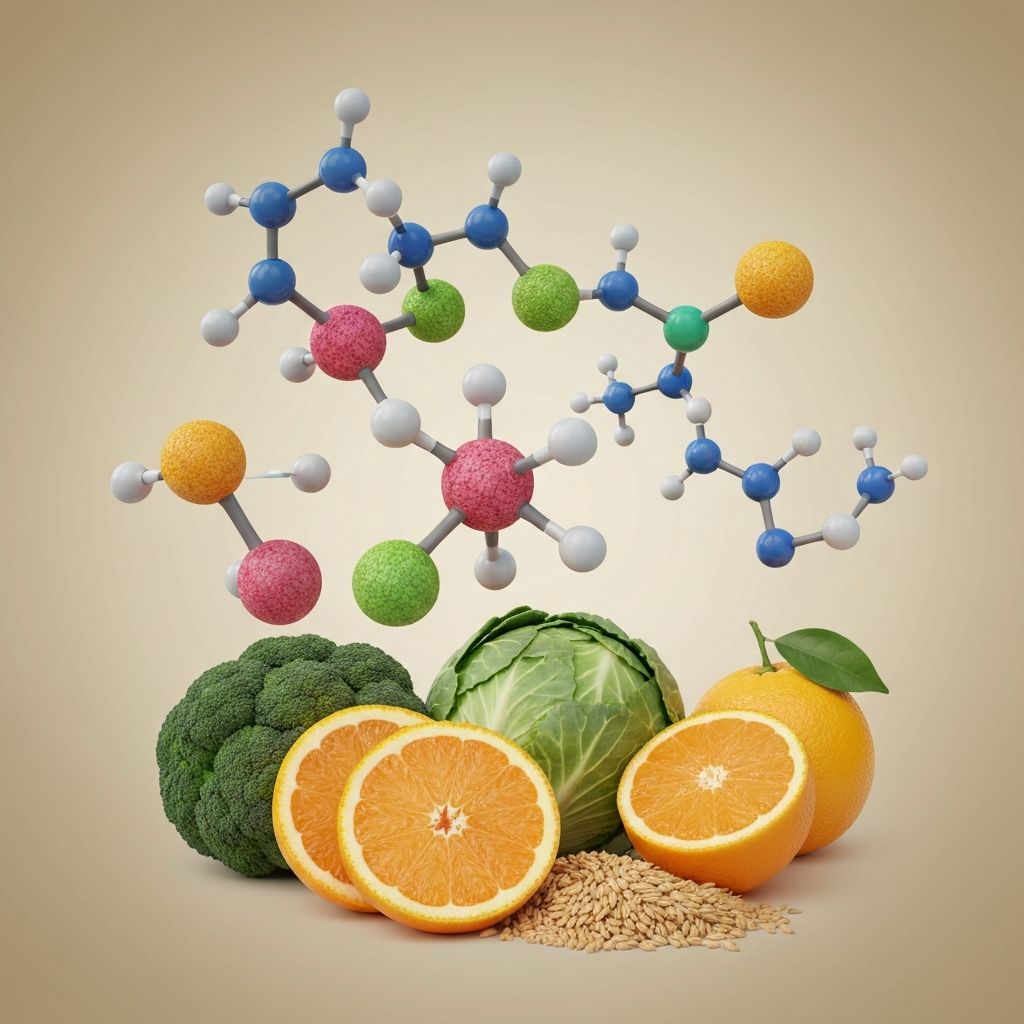
Scientific visualization of vitamins in food with molecular structures

Fat-Soluble Vitamins

Fat-soluble vitamins (A, D, E, K) are absorbed in conjunction with dietary fat and stored in adipose tissue. This storage capacity enables the body to draw upon accumulated reserves during periods of inadequate intake.

Vitamin A

Vitamin A supports vision, particularly in low-light conditions, and participates in cellular differentiation and immune function. Preformed vitamin A (retinol) is found in animal products such as liver and dairy. Beta-carotene, a plant-based precursor, is found in orange, red, and dark-green vegetables.

Vitamin D

Vitamin D regulates calcium absorption and bone mineralization. The human body synthesizes vitamin D when skin is exposed to ultraviolet B radiation. Dietary sources include fatty fish, egg yolks, and fortified dairy products. Vitamin D deficiency can result in impaired calcium homeostasis and compromised skeletal integrity.

Vitamin E

Vitamin E serves as a lipophilic antioxidant, protecting cellular membranes from oxidative damage. Common dietary sources include nuts, seeds, vegetable oils, and leafy greens. Its antioxidant function supports the preservation of cellular integrity.

Vitamin K

Vitamin K participates in blood coagulation through the synthesis of clotting factors, and also supports bone metabolism. Leafy green vegetables (K1) and bacterial fermentation products in the intestine (K2) represent primary sources.

Abstract molecular structures of vitamins

Water-Soluble Vitamins

Water-soluble vitamins (B-complex and C) are not stored in significant quantities within the body. Excess intake is generally excreted through the kidneys, necessitating consistent dietary intake to maintain physiological status.

B-Complex Vitamins

The B-complex group comprises eight vitamins (B1, B2, B3, B5, B6, B7, B9, B12), each serving as enzymatic cofactors in energy metabolism and other cellular processes. B vitamins are found in diverse foods: whole grains, legumes, meats, dairy, and leafy greens.

Vitamin C

Vitamin C (ascorbic acid) participates in collagen synthesis, supports immune function, and exhibits antioxidant properties. Common sources include citrus fruits, berries, bell peppers, and cruciferous vegetables.

Vitamin Sources and Dietary Considerations

Whole foods represent the most comprehensive sources of vitamins. A diverse diet incorporating multiple food groups—whole grains, legumes, fruits, vegetables, nuts, seeds, meats, dairy, and oils—facilitates adequate vitamin intake through natural food sources.

The bioavailability of vitamins varies considerably. Fat-soluble vitamins require dietary fat for absorption. Certain cooking methods can affect vitamin content. These factors highlight the advantage of consuming diverse foods and varied preparation methods.

Information Disclaimer

This article is educational in nature and explores nutritional science principles. It does not constitute medical advice or personal dietary recommendations. Individual nutritional needs vary based on age, health status, medications, and other factors.

Important: Consult qualified healthcare professionals regarding personal vitamin needs, supplementation, or health concerns related to vitamin status.

Not a medical product. Consult a doctor before use.

← Back to Articles