Reading Food Labels: Understanding Nutritional Information

Decoding Packaging Labels for Informed Dietary Decisions

The Purpose of Food Labels

Food labels provide standardized nutritional information enabling consumers to make informed dietary choices. Labels must comply with regulatory standards that specify which information must be disclosed and in what format. Understanding label components is essential for evaluating food products and their nutritional contribution.

Regulations vary by country, but most require disclosure of serving size, calories, macronutrients, key micronutrients, and ingredients. This information permits comparison between products and evaluation of how foods fit within dietary patterns.
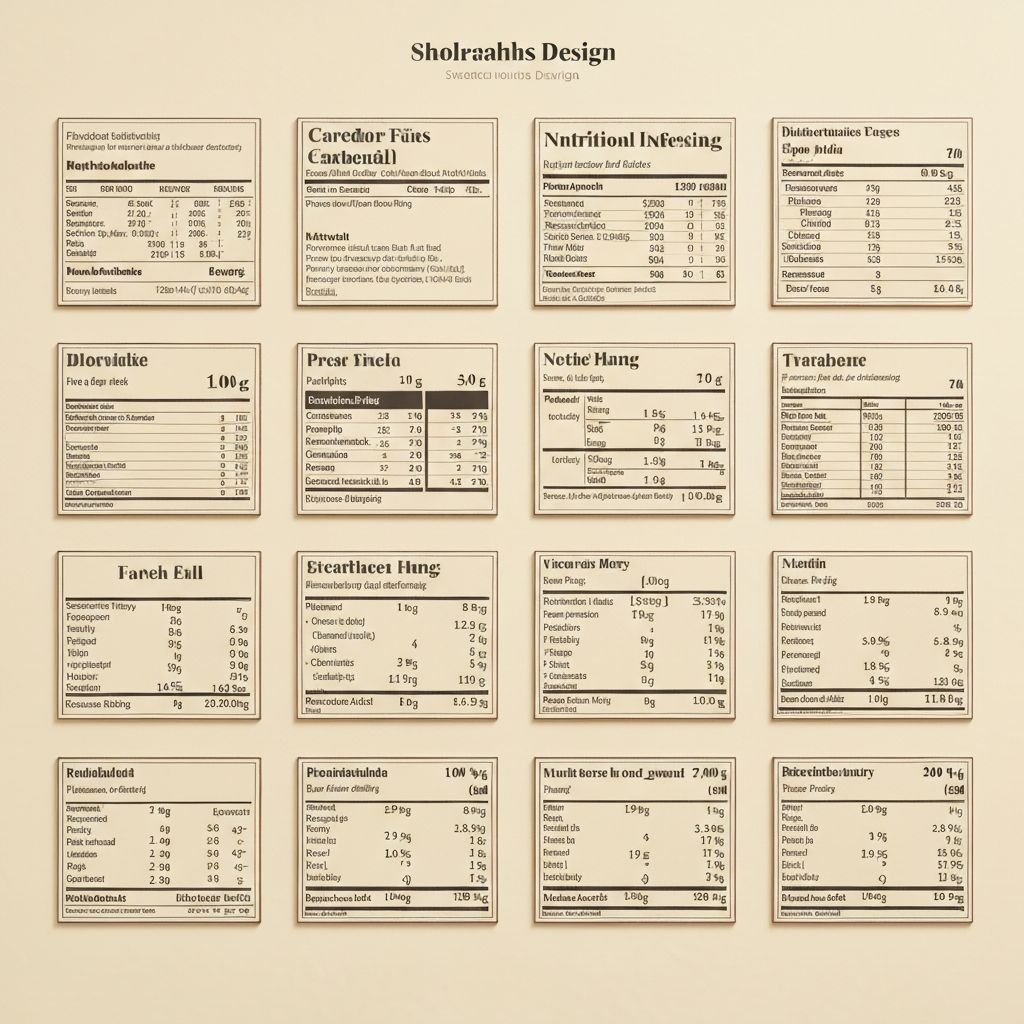
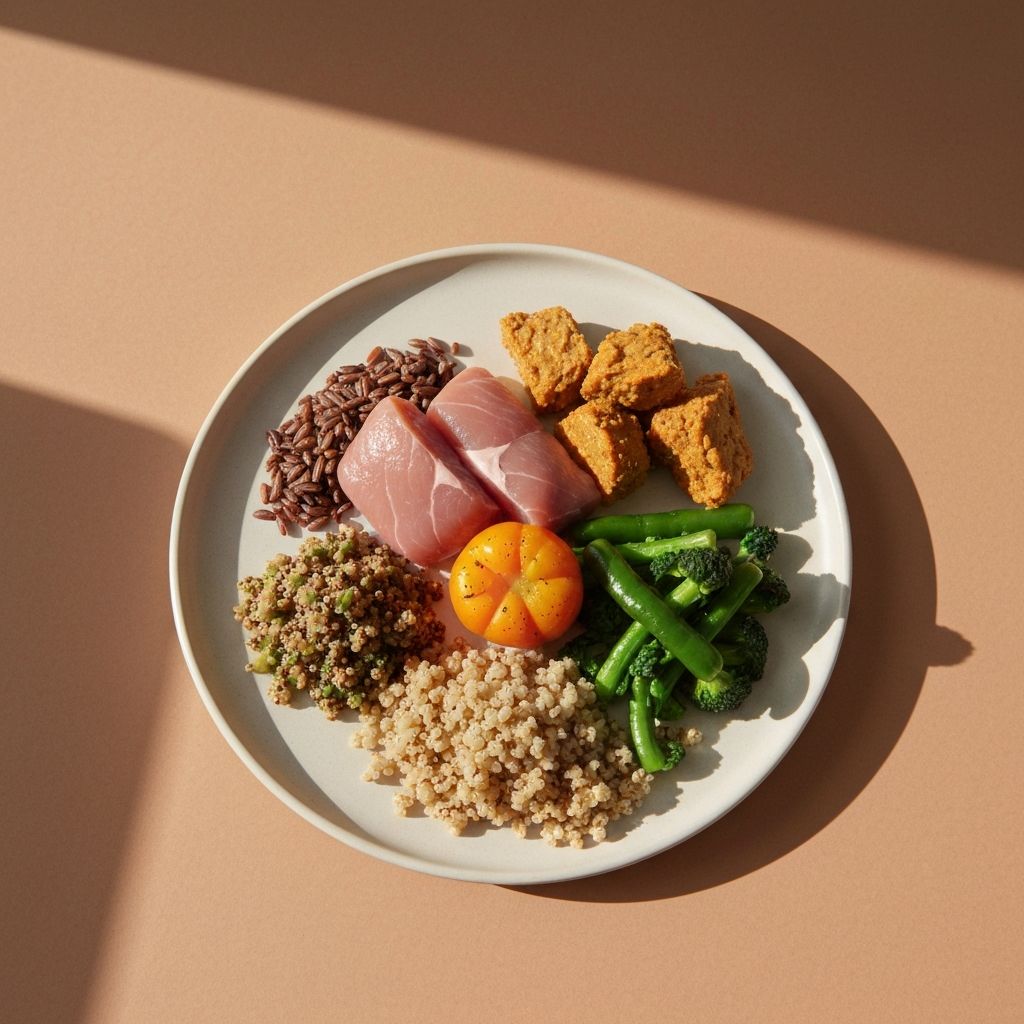
Food labels and nutritional information displayed clearly

Key Components of Nutrition Labels

Serving Size

The serving size establishes the reference point for all label information. A product may contain multiple servings per package. All nutritional values listed (calories, nutrients) apply to the stated serving size, not necessarily the entire package. Comparing serving sizes across products allows meaningful nutritional comparison.

Calories and Macronutrients

Labels display total calories per serving. Macronutrients are typically listed in grams: total fat (including saturated fat), total carbohydrate (including dietary fiber and sugars), and protein. Some labels distinguish between added sugars and total sugars, allowing differentiation between naturally occurring and added sugars.

Micronutrients

Labels list key micronutrients such as sodium, potassium, calcium, and iron, often expressed as percentage daily value (%DV) based on recommended intakes. Some labels include additional micronutrients like vitamins A, C, and D.

Ingredient List

Ingredients are listed in descending order by weight. The ingredient list provides information about food composition, allergen presence, and additives. Recognizing ingredient names facilitates assessment of food quality and processing level.

Balanced nutritious foods with nutritional label information

Understanding Nutrient Claims

Nutrient claims on packaging communicate specific nutritional characteristics. Understanding claim definitions enables accurate product evaluation.

Common Nutrient Claims

"Low-fat" or "reduced fat" indicates fat content below regulatory thresholds. "High fiber" indicates substantial fiber content. "No added sugar" indicates no sugar was added during processing, though the product may contain naturally occurring sugars.

Health Claims

Health claims describe relationships between food components and health outcomes, such as "calcium supports bone health." These claims must be substantiated and approved by regulatory authorities before use. They provide context about nutrient functions but do not constitute personal medical recommendations.

Allergen Declarations

Labels clearly declare major allergens (peanuts, tree nuts, milk, eggs, fish, shellfish, soy, wheat). Allergen information is critical for individuals with food sensitivities. Labels also indicate potential cross-contamination risks from shared manufacturing facilities.

Label Interpretation Strategies

Comparing Similar Products

When choosing between similar foods, compare nutritional profiles using consistent serving sizes. Calculate the percentage daily value to assess nutrient density. Products with higher %DV for desired nutrients (fiber, vitamins) and lower %DV for sodium and added sugars typically represent more nutrient-dense options.

Assessing Ingredient Quality

The ingredient list reveals processing level and component quality. Whole foods or recognizable ingredients suggest minimal processing. Long lists of unfamiliar chemical names suggest higher processing levels. Ingredient order by weight helps identify primary components.

Practical Label Reading

Check serving size first to ensure accurate nutritional interpretation. Note calories per serving and macronutrient distribution. Evaluate sodium, added sugars, and fiber content. Review the ingredient list for whole foods or additives. Compare labels across brands to identify more nutritious options.

Beyond the Label

Food labels provide standardized information but represent only one consideration in food selection. Fresh, whole foods may not carry nutrition labels yet offer excellent nutritional value. Seasonal produce, legumes, grains, and proteins purchased from bulk bins require label consideration only for packaged varieties.

The most informative approach combines label literacy with understanding food diversity, culinary preparation, and individual nutritional context. Labels facilitate informed choices within the broader context of overall dietary patterns and lifestyle.

Information Disclaimer

This article provides educational information about food labels and nutritional information literacy. It does not constitute personal dietary advice or recommendations. Individual nutritional needs vary based on age, health status, activity level, and other factors.

Important: Use label information to make informed choices aligned with your individual needs and preferences. Consult healthcare professionals for personalized dietary guidance.

Not a medical product. Consult a doctor before use.

← Back to Articles